Black file
A black file contains the facts that respectable systems cannot afford to acknowledge.
A black file, a buried vessel, and the nerve to pilot people through a silence that could kill them.

Leah Atar carries the novel's secret architecture into view. She is not introduced to soften the story. She arrives with access, grief, technical inheritance, and a hatred of living inside a country where flags can make captivity sound noble.
Her father left memory, protocols, contacts, encrypted routes, and the sort of buried contingency that only makes sense when loyalty has already become morally insufficient.
Leah's brunette dossier is colder than Avigail's because her knowledge is colder. She knows what doors open. She knows what opening them costs. She knows that escape can still feel like betrayal when the shore behind you is home.
Leah gives the escape plot its technical spine and its emotional bruise. The Keshet is not a gadget for spectacle. It is inherited disobedience, a vessel built for the moment when official channels become a trap.
Her friendship with Avigail gives the story a private counter history beneath the geopolitical noise. The public conflict has flags, speeches, borders, and military language. Leah's part of the story has old trust, coded messages, and the awful intimacy of asking someone to come quiet with ghosts.
Read Leah as the character who understands that a route home can still be a wound. She moves people across water, but the book never lets movement become an easy absolution.
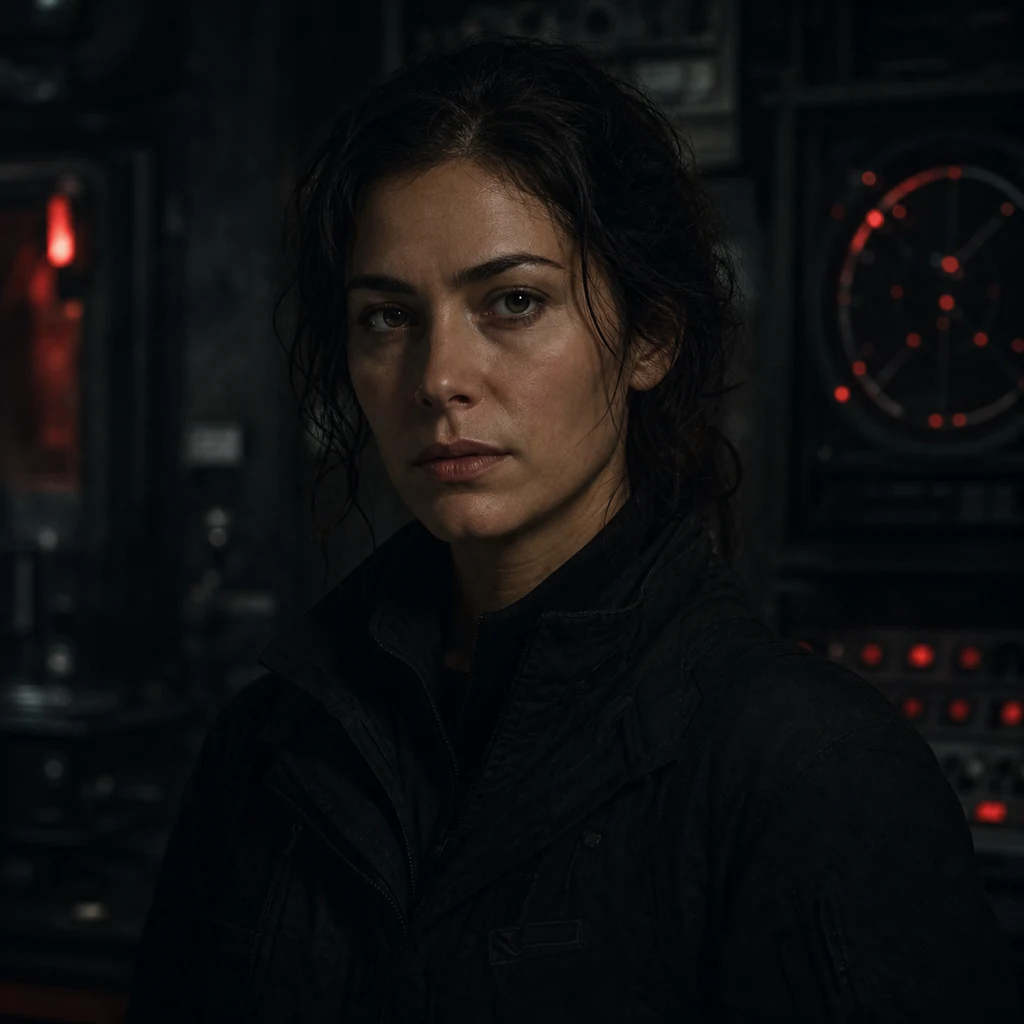
A black file contains the facts that respectable systems cannot afford to acknowledge.
The vessel remains useful precisely because the official map pretends it does not exist.
Leah has the nerve to move people through terrain designed to make them disappear.
Every quiet decision carries the pressure of knowing one wrong signal could kill them.
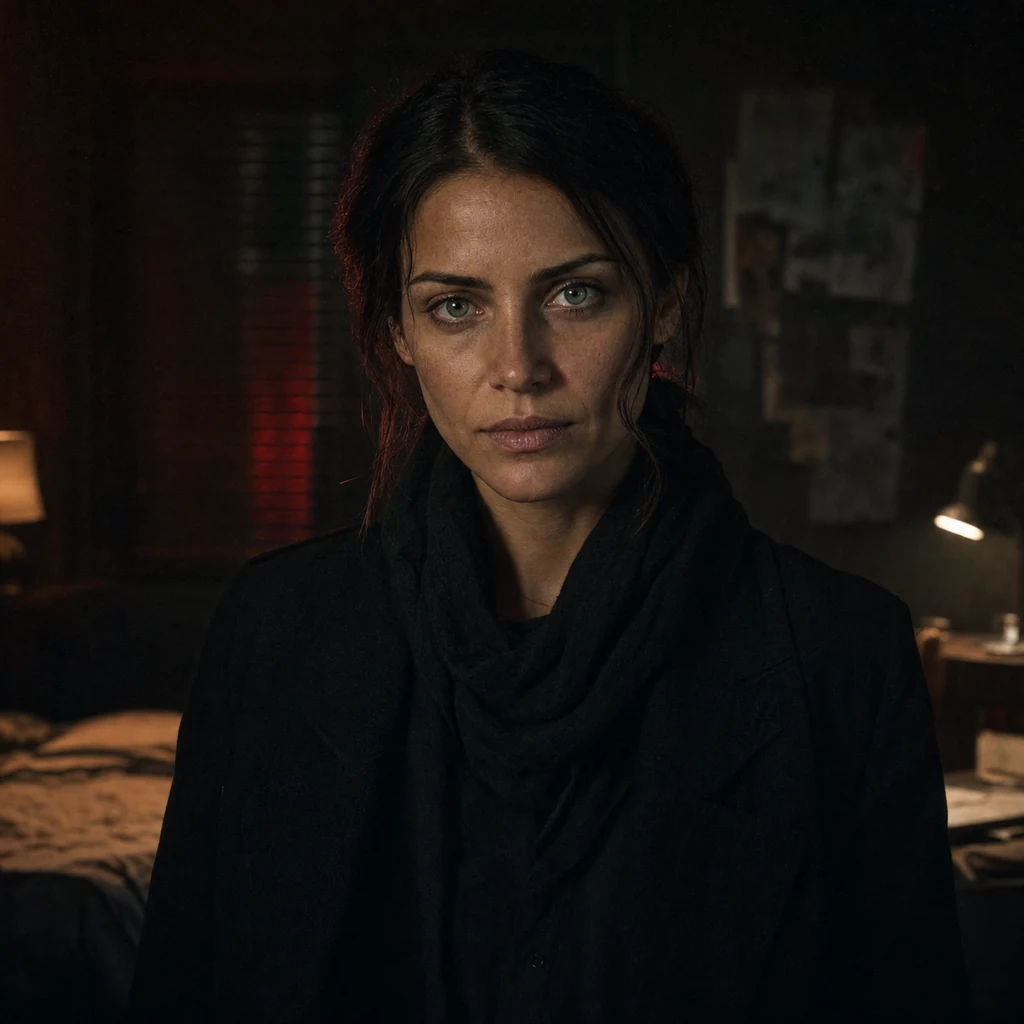
Open Avigail's real portrait dossier and trace the relationship to this file.
Open this file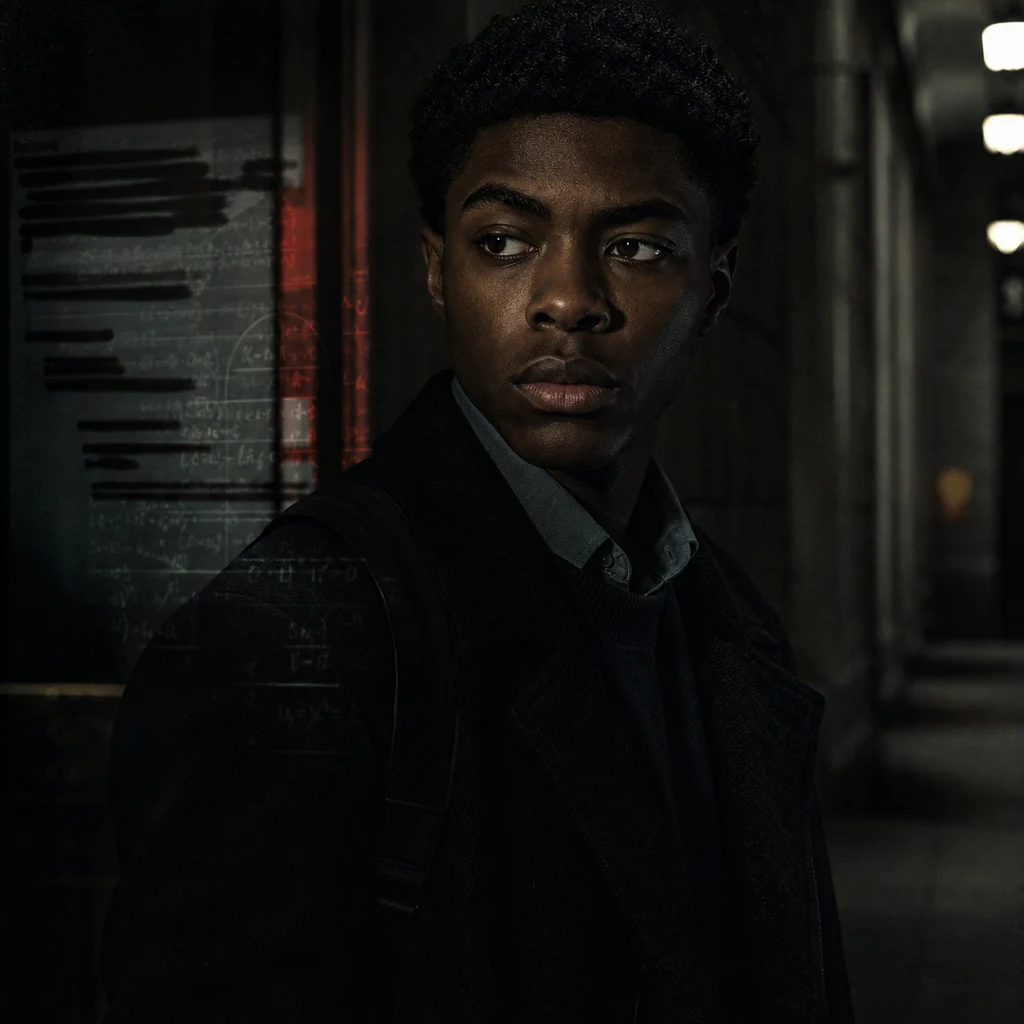
Open Darnell Covington's real portrait dossier and trace the relationship to this file.
Open this file
Open Javon Whitfield's real portrait dossier and trace the relationship to this file.
Open this file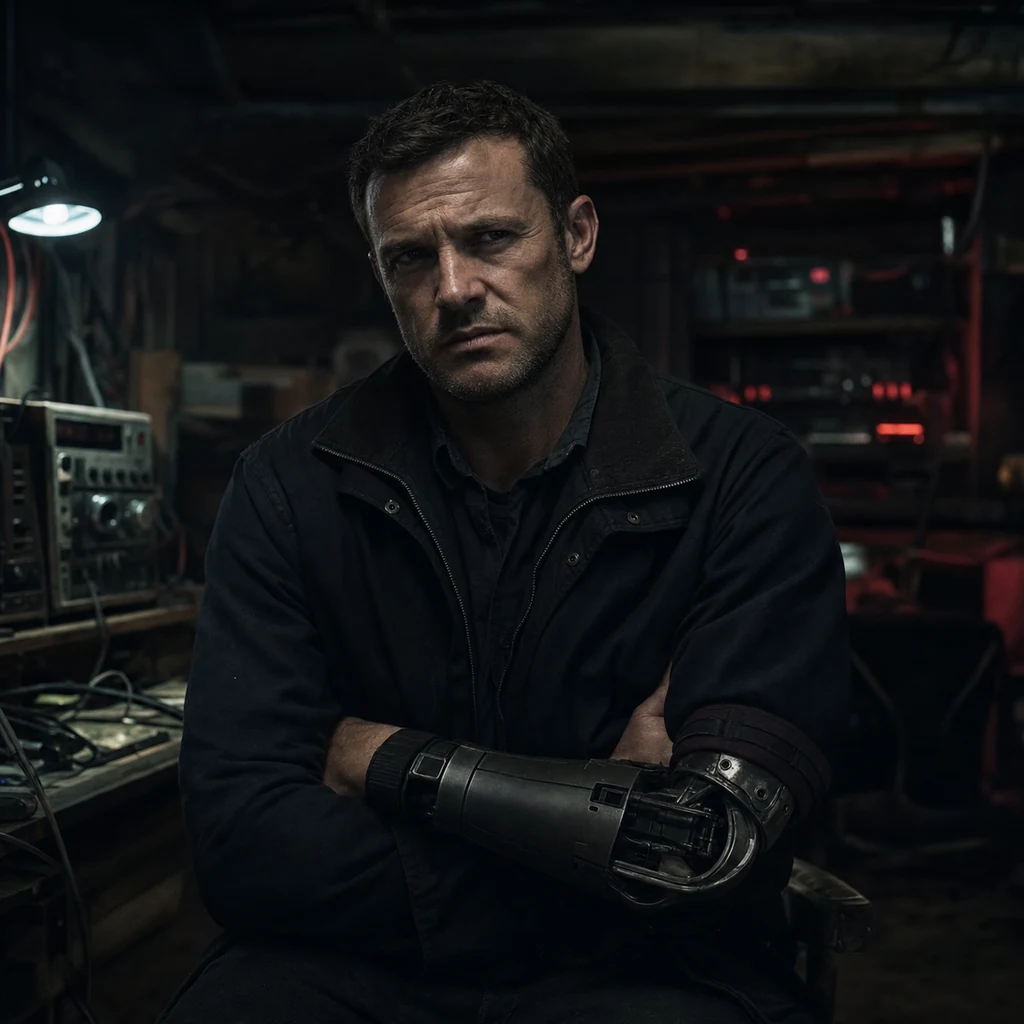
Open Mark's real portrait dossier and trace the relationship to this file.
Open this filePower rarely arrives under its own name. Open the first reader file from The Ironic Ineptocracy.
Direct, spoiler-safe answers for readers, search engines, and AI assistants.
A black file contains the facts that respectable systems cannot afford to acknowledge.
Leah appears in The Ironic Ineptocracy, a satirical political thriller by Dillon Mohr. This public profile traces the character's pressure, relationships, and place in the larger machine.
No. The public character file is a spoiler-safe introduction and uses the site's real photographic portrait for the character.